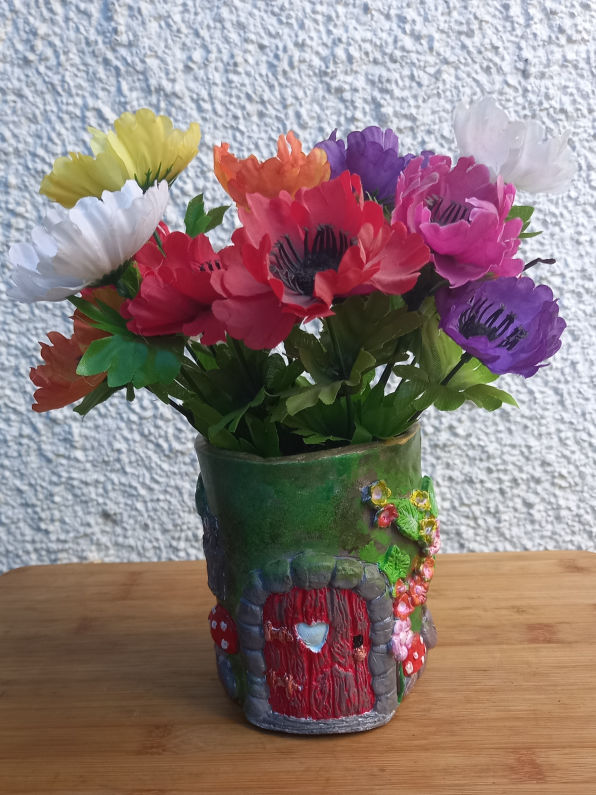
Tactile gratification - Even a light touch of clay leaves an imprint. Our ability to make an impact, to transform something, is unmistakable when working with clay. Perhaps, during that transformation, we are reshaping grief, guilt, memories etc. In changing parts of ourselves, we gain a sense of value and of possibility.
Holistic experience - Creating with clay is a physical-sensual- mental experience. The physicality and limitless potential for creativity engages fine motor skills, vision and imaginations.
Conscious and unconscious expression - Making art and being creative is an extension of ourselves. Through creativity, both our conscious and unconscious ideas and desires are expressed.
An antidote to the culture - We live in a culture that idealises fast, easy and convenient. We wonder why we're anxious and then seek out quick fixes that often don't last. Working with clay means you take your time because the process can't be rushed.
Release of aggression - Work getting your down? School driving you crazy, the dog peed on the carpet? The thing with clay is, you can beat it, slam it, and even stab at it and it it unlikely to be ruined. Even when dried, the gratification of breaking it brings enormous satisfaction.
Meditation - Many artists described clay as a way of 'getting out of their heads and into their bodies.'
Community - Whilst pottery / clay work is usually a solitary project, people often attend workshops or classes, side-by-side and form a community.